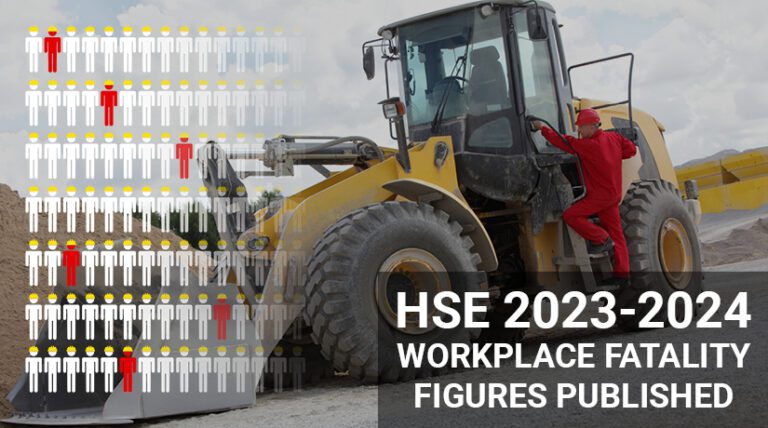


In the most recent reporting year, from April 2024 to March 2025, 124 workers tragically lost their lives in work-related incidents across Great Britain. While this figure represents a reduction of 14 workplace fatalities from the preceding year (138 deaths in 2023/24) and aligns broadly with pre-pandemic levels (an annual average of 142 deaths from 2016/17-2018/19), regulators consistently affirm that even a single workplace death is unacceptable, underscoring the fundamental principle that every fatality is preventable. This modest reduction, therefore, serves as a powerful reminder for sustained vigilance, not an invitation for complacency.
Reviewing the long-term trajectory reveals a profound and consistent reduction in workplace fatalities. The 124 deaths recorded in 2024/25 stand considerably lower than the 223 reported two decades prior (2004/05) and present a stark contrast to the 495 deaths in 1981. This enduring decline highlights the compounding positive effect of decades of advancements in safety regulations, practices, and the growing commitment to innovative preventative measures, all underpinned by comprehensive data collected and published by the Health and Safety Executive (HSE). The HSE’s official statistics, including detailed annual reports and historical trends, provide crucial insights into Great Britain’s occupational safety landscape.
Let’s explore these figures further.
Industries Where Workplace Fatalities Most Occur
Examining the distribution of workplace fatalities by industry provides critical insights into sector-specific hazards and vulnerabilities.
A comparison of 2024/25 with 2023/24 reveals that while overall workplace fatalities decreased, the leading industries for deaths largely remained consistent, albeit with some notable shifts in their specific figures:
Workplace Fatalities |
|||
|---|---|---|---|
| Industry | 24/25 | 23/24 | 20/21-24/25 |
| Construction | 35 | 51 | 40 |
| Agriculture, Forestry & Fishing | 23 | 23 | 25 |
| Transportation & Storage | 15 | 11 | 13 |
| Administrative & Support Services | 13 | 12 | 11 |
| Wholesale, Retail, Motor Repair, Accommodation & Food |
12 | 9 | 12 |
| Manufacturing | 11 | 16 | 17 |
| Waste & Recycling | 3 | 4 | 4 |
Beyond the raw numbers, the rate of fatal injury per 100,000 workers provides crucial context, accounting for workforce size to reveal the true inherent dangers.
Fatality Rate |
|||
|---|---|---|---|
| Industry | 24/25 | 23/24 | 20/21-24/25 |
| Agriculture, Forestry & Fishing | 8.01 | 7.51 | 8.72 |
| Waste & Recycling | 2.76 | 3.88 | 3.31 |
| Construction | 1.65 | 2.43 | 1.92 |
| Transportation & Storage | 0.98 | 0.68 | 0.87 |
| Administrative & Support Services | 0.87 | 0.82 | 0.73 |
| Manufacturing | 0.42 | 0.64 | 0.62 |
| Wholesale, Retail, Motor Repair, Accommodation & Food |
0.24 | 0.17 | 0.23 |
| Overall Average (All Industries) | 0.37 | 0.42 | 0.4 |
Key Takeaway:
While Construction accounts for the highest raw number of workplace fatalities, industries such as Agriculture, Forestry and Fishing, and Waste and Recycling persistently demonstrate the most severe inherent risks when considering workforce exposure. This critical insight directs where preventative strategies are most urgently required to safeguard lives.
Common Causes of Workplace Fatalities
Analysing the types of accidents leading to workplace fatalities is crucial for pinpointing precise areas for targeted prevention efforts. Notable shifts were observed in 2024/25 compared to the previous year:
Workplace Fatalities |
|||
|---|---|---|---|
| Accident Type | 24/25 | 2023/24 | 20/21-24/25 |
| Falls from Height | 35 | 50 | 38 |
| Struck by Moving Object | 18 | 20 | 21 |
| Trapped by Something Collapsing/Overturning | 17 | 15 | 21 |
| Struck by Moving Vehicle | 14 | 25 | 15 |
| Contact with Moving Machinery | 13 | 8 | 12 |
| All Other Accident Kinds | 27 | 20 | 27 |
Key Takeaway:
Falls from Height remain the paramount cause of workplace fatalities. Yet, incidents where workers are Struck by Moving Vehicle (averaging 15 deaths annually) and those involving Contact with Moving Machinery present persistently critical challenges. Vehicle-related incidents are especially prevalent in high-movement sectors like Transportation and Storage and Construction, frequently arise from issues such as reversing, inadequate pedestrian segregation, poor visibility, and insufficient training. These major accident categories collectively underscore the absolute necessity for robust, proactive prevention strategies, including advanced safety technologies where personnel and equipment interaction is high.
Understanding the Data Scope and Limitations
It’s important to understand what these official statistics cover – and what they don’t. These figures come from incidents reported under the Reporting of Injuries, Diseases and Dangerous Occurrences Regulations (RIDDOR). This means some types of work-related injuries aren’t reportable under RIDDOR and are therefore excluded. Specifically, this includes:
- Fatal accidents involving workers on a public road (these are ‘road traffic accidents’). Police enforce these, and they’re reported to the Department for Transport. Deaths while commuting (travelling to and from work) are also not included.
- Fatal accidents involving workers travelling by air or sea.
- Fatalities involving armed forces personnel on duty.
- Fatal injuries at work due to ‘natural causes,’ like heart attacks or strokes, unless directly caused by the accident itself.
The statistics in this report are part of the Health and Safety Executive’s (HSE) Accredited Official Statistics. This means they’ve been independently reviewed by the Office for Statistics Regulation (OSR). They confirm these statistics meet high standards for trustworthiness, quality, and value, which gives them crucial credibility.
A Snapshot of Workplace Fatalities in 2024/25
Overall Fatality Count
124 workers tragically lost their lives in Great Britain (April 2024 – March 2025), a reduction from 138 the previous year, yet still highlighting that every death is preventable.
Long-Term Improvement
This year’s figure is significantly lower than 223 deaths twenty years ago (2004/05) and 495 in 1981, demonstrating decades of safety advancements.
Industries Most Affected by Workplace Fatalities
Construction remains the sector with the highest number of deaths (35 fatalities), followed by Agriculture, Forestry and Fishing (23 fatalities).
Highest Risk Industries by Fatality Rate
When workforce size is considered, Agriculture, Forestry and Fishing (8.01 per 100,000 workers) and Waste and Recycling (2.76 per 100,000 workers) consistently show the highest fatality rates, underscoring their inherent dangers.
Primary Accident Causes
Falls from Height remain the leading cause of death (35 fatalities).
Persistent Collision Risks:
Being Struck by Moving Vehicle (14 fatalities) and Contact with Moving Machinery (13 fatalities) continue to be critical challenges, often linked to issues like reversing, inadequate segregation, and poor visibility.

The Ongoing Challenge of Workplace Safety
For all regulators and safety professionals, these figures serve as more than just data; they’re powerful reminders of the preventable tragedies that regrettably persist. Our collective focus must remain steadfastly on proactive risk management, comprehensive training, and cultivating a robust safety culture throughout every industry.
The profound cost of workplace fatalities extends far beyond statistics. Each life lost brings immeasurable grief to families and colleagues, severely impacts team morale, and creates significant direct and indirect costs for businesses—from investigations and legal repercussions to reputational damage and operational disruption.
Considering this immense human and business impact, ensuring every worker can return home safely at the end of their day must be the highest priority. This requires using modern, proven technologies effectively. ZoneSafe proximity warning and alert systems are specifically designed to help prevent these tragic collisions.
As a trusted UK manufacturer, our systems are particularly vital where workers operate close to moving vehicles, heavy machinery, and mobile plant in high-risk sectors such as construction, agriculture, manufacturing, waste and recycling, and the broader transportation and logistics industries. Achieving a genuinely safer workplace, and preventing such tragic outcomes, truly hinges on a collective commitment to implementing these vital safety solutions. Complete our form below to arrange a consultation.
References
- Health and Safety Executive (HSE). Fatal injuries to workers in Great Britain: 2024/25. [HSE publication for the 2024/25 period].